

NHS: Belonging in White Corridors
In the sterile corridors of Birmingham Women’s and Children’s NHS Foundation Trust, a young man named James Stokes navigates his daily responsibilities with subtle confidence. His smart shoes whisper against the floor as he greets colleagues—some by name, others with the universal currency of a “good morning.”
James displays his credentials not merely as institutional identification but as a testament of inclusion. It sits against a neatly presented outfit that betrays nothing of the difficult path that brought him here.
What distinguishes James from many of his colleagues is not immediately apparent. His demeanor gives away nothing of the fact that he was among the first participants of the NHS Universal Family Programme—an effort crafted intentionally for young people who have been through the care system.
“The Programme embraced me when I needed it most,” James explains, his voice steady but tinged with emotion. His observation captures the core of a programme that seeks to reinvent how the enormous healthcare system perceives care leavers—those often overlooked young people aged 16-25 who have graduated out of the care system.
The figures paint a stark picture. Care leavers often face greater psychological challenges, money troubles, accommodation difficulties, and reduced scholarly attainment compared to their contemporaries. Underlying these impersonal figures are personal narratives of young people who have navigated a system that, despite best intentions, often falls short in providing the nurturing environment that molds most young lives.
The NHS Universal Family Programme, launched in January 2023 following NHS England’s pledge to the Care Leaver Covenant, represents a substantial transformation in institutional thinking. At its core, it acknowledges that the whole state and civil society should function as a “collective parent” for those who haven’t experienced the constancy of a conventional home.
A select group of healthcare regions across England have blazed the trail, developing structures that reimagine how the NHS—one of Europe’s largest employers—can extend opportunities to care leavers.
The Programme is thorough in its methodology, beginning with thorough assessments of existing procedures, creating management frameworks, and garnering senior buy-in. It recognizes that effective inclusion requires more than good intentions—it demands tangible actions.
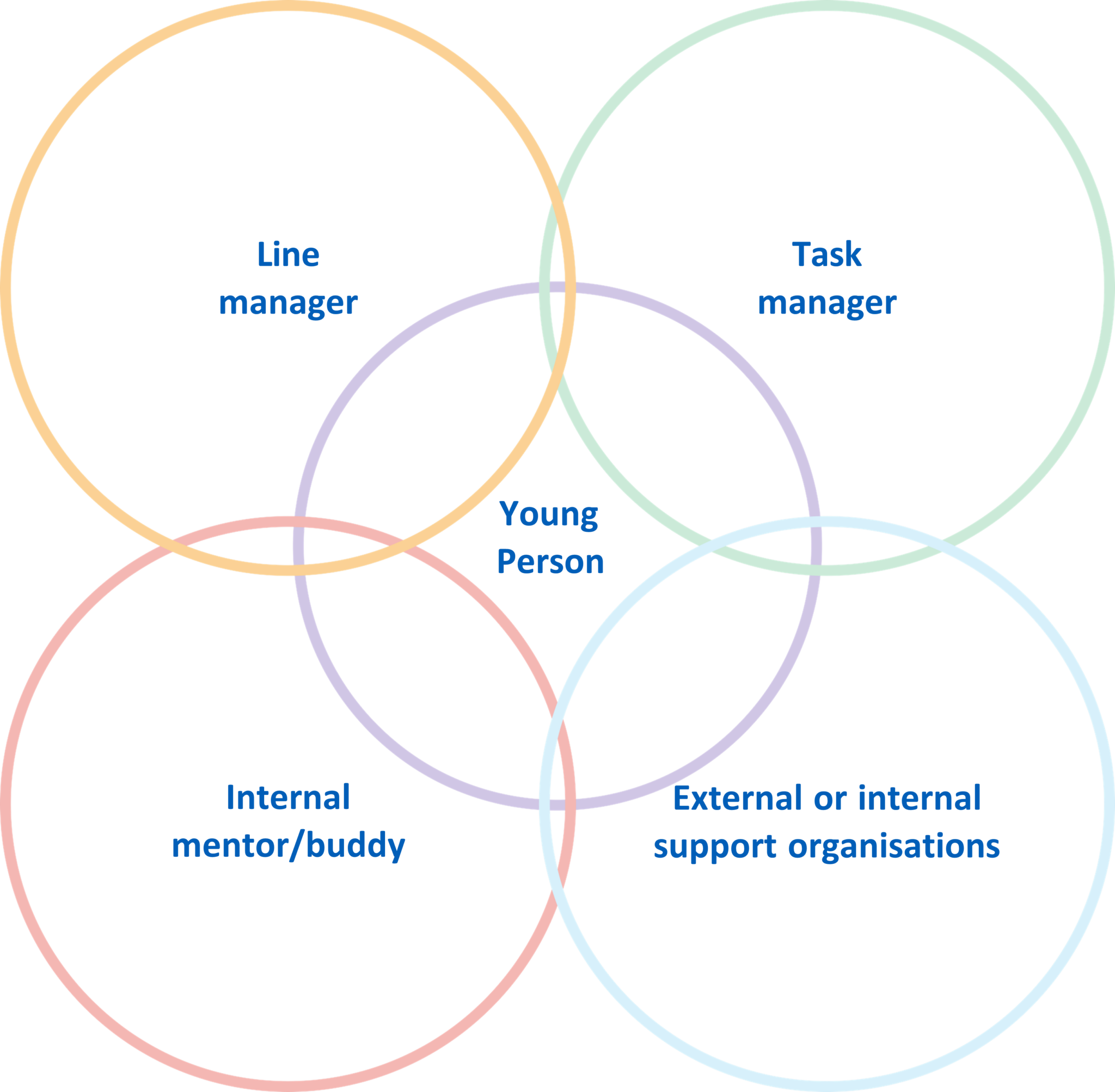
In NHS Birmingham and Solihull ICB, where James began his journey, they’ve developed a reliable information exchange with representatives who can deliver assistance and counsel on wellbeing, HR matters, recruitment, and EDI initiatives.
The traditional NHS recruitment process—rigid and possibly overwhelming—has been thoughtfully adapted. Job advertisements now highlight attitudinal traits rather than long lists of credentials. Application procedures have been reconsidered to consider the particular difficulties care leavers might encounter—from lacking professional references to struggling with internet access.
Possibly most crucially, the Programme acknowledges that entering the workforce can create specific difficulties for care leavers who may be handling self-sufficiency without the support of familial aid. Matters like commuting fees, proper ID, and financial services—taken for granted by many—can become substantial hurdles.
The brilliance of the Programme lies in its thorough planning—from clarifying salary details to offering travel loans until that essential first payday. Even seemingly minor aspects like rest periods and workplace conduct are thoughtfully covered.
For James, whose professional path has “changed” his life, the Programme provided more than work. It provided him a perception of inclusion—that ineffable quality that grows when someone senses worth not despite their past but because their distinct perspective enriches the organization.
“Working for the NHS isn’t just about doctors and nurses,” James comments, his gaze showing the quiet pride of someone who has secured his position. “It’s about a collective of different jobs and roles, a group of people who really connect.”

The NHS Universal Family Programme exemplifies more than an work program. It stands as a strong assertion that systems can adapt to embrace those who have experienced life differently. In doing so, they not only transform individual lives but enhance their operations through the special insights that care leavers provide.
As James walks the corridors, his involvement silently testifies that with the right assistance, care leavers can flourish in environments once considered beyond reach. The embrace that the NHS has provided through this Programme symbolizes not charity but recognition of hidden abilities and the fundamental reality that all people merit a community that believes in them.